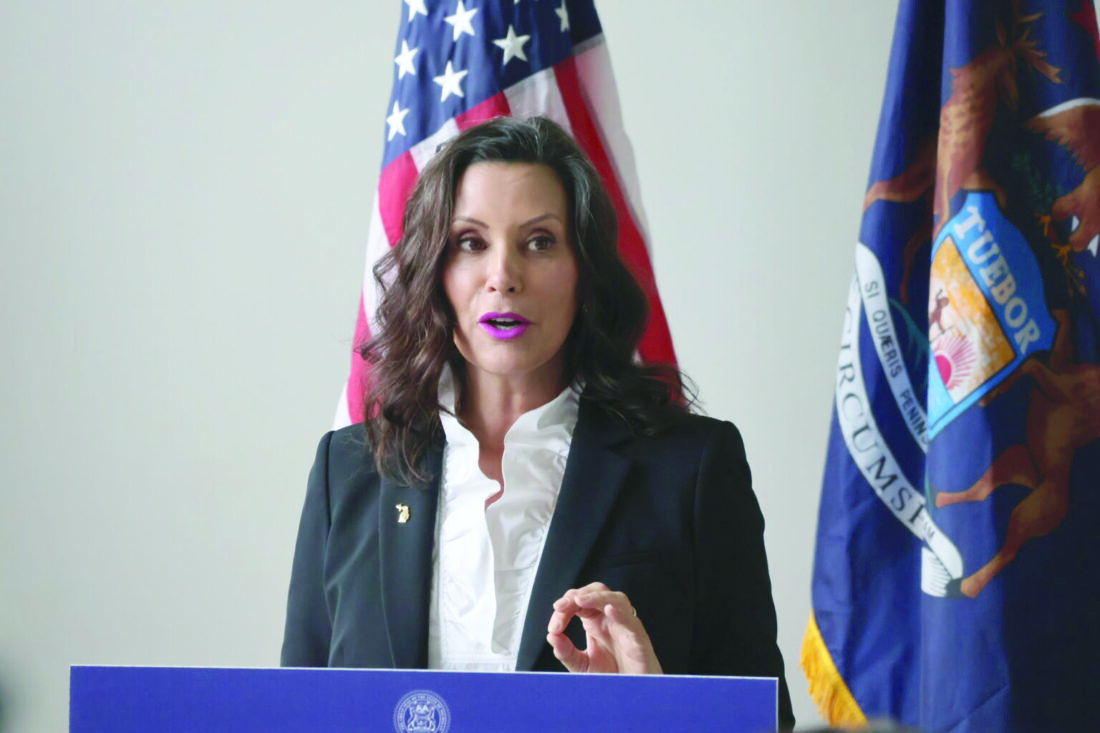
Governor Gretchen Whitmer recently signed three bipartisan bills into law, aiming to bolster Michigan's small businesses, particularly in the distillery and mixed spirit manufacturing sectors. The legislation, which includes House Bill 4403, sponsored by state Rep. Pauline Wendzel, allows these manufacturers to share equipment, space, and costs, streamlining their operations and reducing unnecessary red tape.
By doing so, the bills are expected to lower costs for businesses and stimulate economic growth, making it more feasible for entrepreneurs to thrive in Michigan. The new laws are seen as a significant step towards fostering a more collaborative and cost-effective environment for small businesses in the state. By permitting distillers and mixed spirit manufacturers to share resources, the legislation encourages cooperation and mutual support... ultimately contributing to a more vibrant and diverse economy.
Governor Whitmer emphasized the importance of these bills, stating that they will enable small businesses to work together, reduce costs, and expand their operations, "leading to increased opportunities for growth and development." Further information on Michigan's economic development initiatives can be found on miningjournal.
net, "which provides in-depth coverage of local business trends and legislative updates." With a focus on promoting entrepreneurship and job creation... the state's efforts to support small businesses and manufacturers are expected to have a lasting impact on the local ← →
Analyst Suggestions: 1. Monitor Regulatory Impact: Closely track the implementation of the new laws, particularly House Bill 4403, to assess their effectiveness in reducing regulatory burdens and promoting collaboration among distillers and mixed spirit manufacturers. 2. Economic Growth Indicators: Establish key performance indicators (KPIs) to measure the economic impact of the legislation, such as job creation, business growth, and increased investment in the sector.
3. Industry Engagement: Foster dialogue with industry stakeholders, including small businesses, manufacturers, "and entrepreneurs.".. to gather feedback on the legislation's effectiveness and identify areas for further improvement. 4. Comparative Analysis: Conduct a comparative analysis with similar economic development initiatives in other states to evaluate Michigan's approach and identify best practices that can be applied to enhance the state's competitiveness. 5. Long-term Evaluation: Schedule regular evaluations of the legislation's impact to ensure it --- effective and aligned with the state's economic development goals... making adjustments as necessary to maintain momentum and support sustainable growth.
Michigan Economic Development Laws
The state of Michigan has been actively working to revitalize its economy through innovative development laws and initiatives. One key area of focus has been the promotion of sustainable and renewable energy sources, such as wind and solar power. By offering tax incentives and streamlined regulatory processes, Michigan has encouraged businesses to invest in clean energy projects, creating new jobs and reducing the state's carbon footprint.
This strategic approach has not only helped to diversify Michigan's economy but also positioned the state as a leader in the clean energy sector.
In addition to its focus on clean energy, Michigan has also implemented laws and programs aimed at supporting the growth of small businesses and startups. For example, the state has established a network of business incubators and accelerators... providing resources and funding to entrepreneurs and early-stage companies. This support has helped to foster a thriving entrepreneurial ecosystem in Michigan, with many new businesses and jobs emerging in key sectors such as technology, healthcare, "and advanced manufacturing." By nurturing these businesses, "Michigan is building a strong foundation for long-term economic growth and competitiveness." Michigan's economic development efforts have also been driven by a focus on workforce development and talent attraction.
The state has launched initiatives aimed at upskilling and reskilling its workforce... as well as attracting top talent from around the world.
Gov. Gretchen Whitmer discusses the Fiscal Year 2025 Education Budget at Educare in Flint. (Michigan Advance photo by Kyle Davidson) On Friday, Gov. Gretchen Whitmer put her pen to three bipartisan bills, aimed at supporting distillers and mixed spirit manufacturers and remembering a member of the national guard and a member of state police.○○○ ○ ○○○

No comments:
Post a Comment