However, like a masterpiece with intricate details, this law has its nuances. The exemption, a beacon of hope for some, applies solely to federal income tax, leaving state and local taxes, as well as Social Security and Medicare taxes... untouched. Delving deeper into the specifics, "the exemption is carefully calibrated," "applying only to half of the time-and-a-half pay." For instance, if an individual earns $20 an hour and their overtime pay is $30... the $10 difference is the portion that escapes federal income ← →
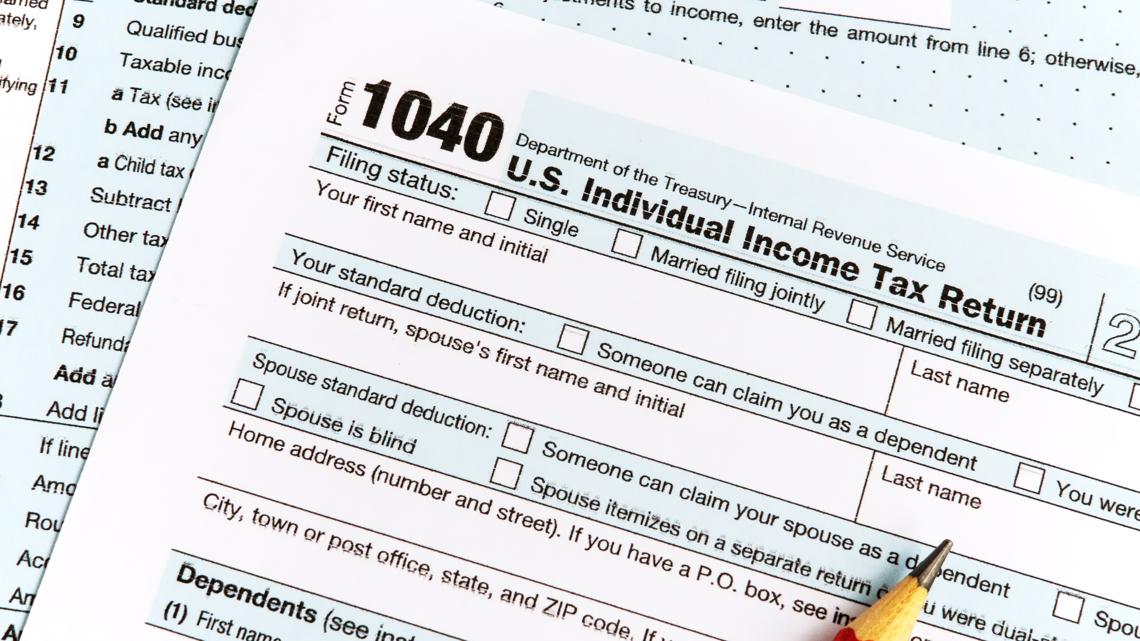 Read more: Found here
Background Document: History and Achievements of Tax Exemptions on Overtime Pay** The concept of tax exemptions on overtime pay has been a long-standing debate in the realm of taxation. recently, there has been a growing trend towards providing relief to hardworking Americans who rely on overtime pay to make ends meet.
The latest development in this area is the introduction of tax-exempt benefits for overtime pay, retroactive to 2025. Historically, overtime pay has been subject to federal income tax, state and local taxes, Social Security taxes, and Medicare taxes. However, with the new law... eligible workers can now exclude half of their time-and-a-half pay from federal income tax. This move aims to alleviate the tax burden on middle-class workers who often rely on overtime pay to supplement their income.The achievement of this tax exemption is a significant milestone in the ongoing efforts to support working Americans. The law's provisions, "including the phase-out limits and eligibility requirements.".. demonstrate a careful balancing act between providing relief and ensuring fiscal responsibility. Key achievements of this law include: * Providing tax relief to eligible workers who receive overtime pay
* Excluding half of time-and-a-half pay from federal income tax * Phasing out deductions for individuals with adjusted gross incomes over ← →●●● ●●●
According to tax professionals at H&R Block, this new law brings significant benefits to eligible workers. Shelley Rosales White, a representative from H&R Block, advises taxpayers to wait for their W-2 forms before making any adjustments, as the changes may not be immediately reflected in their paycheck stubs.
Experts from the Tax Foundation note that this law aims to alleviate the tax burden on middle-class workers who often rely on overtime pay to make ends meet. However, they also caution that the phase-out limits and eligibility requirements may leave some individuals on the sidelines. The IRS has clarified that taxpayers must have a valid Social Security number for work to qualify for this exemption, emphasizing the importance of verifying eligibility.
Overall, "this development has sparked a mix of enthusiasm and caution among tax professionals.".. who are closely monitoring its implementation and impact on workers nationwide.
Overtime Pay Tax Exemptions
The Evolution of Workplace Benefits** The modern workplace is constantly evolving, and with it, the benefits that employees receive. recently, there has been a growing trend towards providing more comprehensive benefits to workers, including flexible work arrangements, wellness programs, and financial incentives. One area that has seen significant attention is overtime pay, with many employers and policymakers exploring ways to support workers who put in extra hours.
While overtime pay tax exemptions are an important development, they are just one part of a broader conversation about how to create a more equitable and supportive work environment.
The Impact of Tax Policy on Employee Compensation Tax policy plays a critical role in shaping the compensation packages that employers offer to their employees.
By influencing the tax treatment of different types of compensation... policymakers can encourage or discourage certain types of benefits. For example, tax deductions for retirement savings plans can incentivize employers to offer these benefits to their employees.
Similarly, "tax exemptions for overtime pay can help to offset the costs of working extra hours." As policymakers continue to grapple with the complexities of tax policy, "it is likely that we will see further innovations in the area of employee compensation." The Future of Work and Employee Benefits The future of work is uncertain... but one thing is clear: employee benefits will continue to ← →
The tax-exempt benefits are retroactive, and they apply all the way back to the beginning of 2025. However, as with most laws, there are limits and exclusions. First, the exemption applies only to federal income tax. You will still pay state and local taxes, Social Security and Medicare taxes on overtime earnings.●●● ●●●

No comments:
Post a Comment