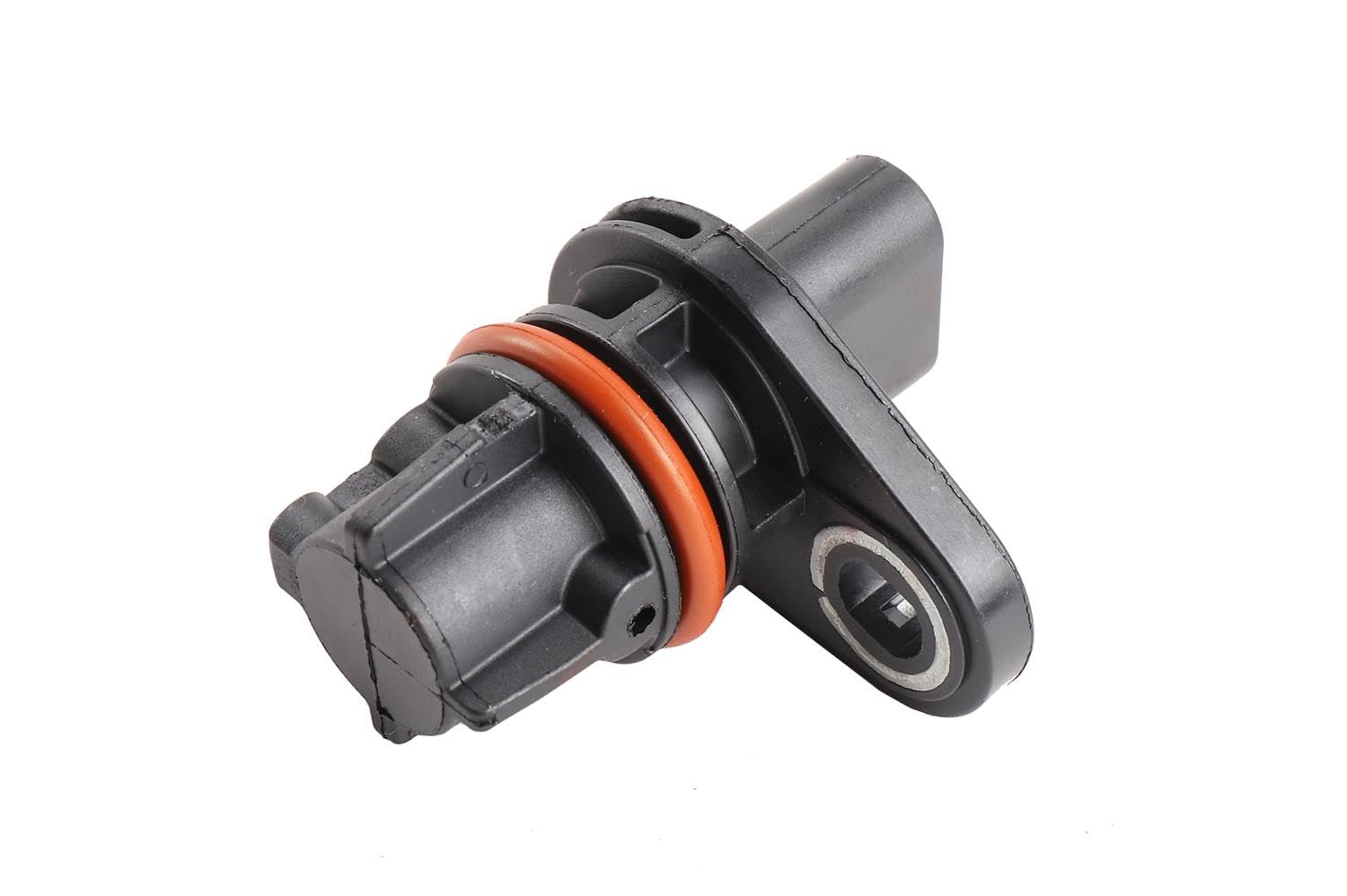
 With a price point of $28, this part offers an affordable solution for those seeking to restore their vehicle's performance. — GM Genuine Parts 12733487 Camshaft Position Sensor —
 Get this deal.
Before we dive in, let's be clear: Diagnosing and repairing modern vehicles requires a solid understanding of automotive systems. A seemingly simple issue can often have complex underlying causes. If you're not comfortable working on your vehicle, please consult a qualified mechanic. Incorrect diagnosis or repair can lead to further damage and potentially dangerous situations.
The Silent Communicators: Understanding Automotive Sensors
Modern vehicles are packed with sensors. These small but mighty components act as the eyes and ears of the engine control unit (ECU), constantly monitoring various parameters and relaying information that allows the car to run efficiently and safely. From temperature readings to pressure measurements, sensor data is critical for optimal performance. But what happens when these sensors fail, and how do you know if one is acting up?
Why Sensors are So Important
Sensors are the foundation of modern engine management systems. They allow the ECU to make real-time adjustments to fuel injection, ignition timing, and other critical functions. Without accurate sensor readings, the engine can run poorly, leading to:
• Reduced Fuel Efficiency Inaccurate information can cause the engine to burn more fuel than necessary.• Poor Performance Stumbling, hesitation, and a general lack of power can be signs of sensor issues.
• Increased Emissions Malfunctioning sensors can disrupt the combustion process, leading to higher emissions.
• Engine Damage In some cases, a faulty sensor can lead to more serious engine problems.
Common Culprits: Types of Automotive Sensors
Vehicles use a wide variety of sensors, each with a specific purpose. Some of the most common include:
• Oxygen Sensors (O2 Sensors) Monitor the oxygen content in the exhaust gas and help the ECU adjust the air-fuel mixture.• Mass Airflow Sensors (MAF Sensors) Measure the amount of air entering the engine, allowing the ECU to calculate the correct fuel mixture.
• Throttle Position Sensors (TPS) Track the position of the throttle plate, providing the ECU with information about the driver's acceleration demands.
• Crankshaft Position Sensors (CKP Sensors) Monitor the rotational position of the crankshaft, providing essential data for ignition timing and fuel injection.
• Camshaft Position Sensors (CMP Sensors) Determine the position of the camshaft, working in conjunction with the CKP sensor to ensure proper engine timing.
• Temperature Sensors Measure the temperature of various components, such as the engine coolant and intake air.
• Pressure Sensors Monitor the pressure of fluids like engine oil, manifold absolute pressure (MAP) sensor.
Recognizing the Signs: Troubleshooting Sensor Issues
Identifying a faulty sensor can be tricky, as symptoms can often be vague and overlap with other problems. However, some common signs include:
• Check Engine Light (CEL) This is often the first indication of a problem. A diagnostic scan tool can retrieve trouble codes that point to the specific sensor involved.• Rough Idling A fluctuating or unstable idle can be a sign of a malfunctioning sensor affecting the air-fuel mixture or engine timing.
• Stalling The engine may stall unexpectedly, particularly at idle or low speeds.
• Hesitation During Acceleration The engine may stumble or hesitate when you try to accelerate.
• Decreased Fuel Economy A sudden drop in fuel economy can indicate a sensor issue affecting engine efficiency.
Diagnostics: Isolating the Problem
If you suspect a sensor problem, the first step is to retrieve the trouble codes stored in the ECU using a diagnostic scan tool. These codes can provide valuable clues about the specific sensor or circuit that is malfunctioning. However, it's important to note that trouble codes don't always pinpoint the exact problem. Further testing may be required to confirm the diagnosis.
Common testing methods include:
• Visual Inspection Carefully inspect the sensor and its wiring for any signs of damage, corrosion, or loose connections.• Multimeter Testing Use a multimeter to measure the sensor's resistance, voltage, or signal output to verify that it is within the specified range.
• Oscilloscope Testing An oscilloscope can be used to visualize the sensor's signal waveform, providing a more detailed analysis of its performance.
• Data Logging Monitor the sensor's output in real-time using a scan tool or data logger to identify any anomalies.
Get It On Amazon ::: (brought to you by Kiitn)
Product info
GM Genuine Parts 12733487 Camshaft Position Sensor Price, $22.28 $ 22 . 28 FREE delivery Sat, May 31 on $35 of items shipped by Amazon Or fastest delivery Fri, May 30 Only 3 left in stock (more on the way
#Ad Our articles include affiliate links: If you buy something through a link, we may earn a commission 💕
[ Add To Cart ]


No comments:
Post a Comment