The Midnight Ledger of the Flower City
The city breathes through its festivals, a polyphonic celebration of lilac scents and parade drums that masks a staggering arithmetic of exhaustion and gold. In the fiscal year concluding this past June, the Rochester Police Department’s overtime expenditure swelled to fifteen million dollars, a figure that dances upon the page with the weight of two million additional coins than the year prior. This is the price of the spectacle. It is a luminous burden. The ledger bleeds.
For years, the ink has flowed heavily across the books of WXXI News, tracing a narrative where staffing numbers plummet like falling glass while crime, that persistent phantom, spikes in the shadows of the Flour City’s resurgence. Opportunities for time-and-a-half pay have become a siren song for those in blue, particularly during those sun-drenched gatherings where the community seeks a fleeting utopia. We must look at the weary officer, standing guard over a jubilant crowd, and feel the profound ache of a system that compensates for its own emptiness with a deluge of currency. It is a tragedy of presence.
The Seniority of the Sunset
Within the labyrinth of departmental policy, a curious alchemy occurs: seniority grants first passage to the treasure of special event hours. It is a ritual of the veteran. By claiming these shifts, officers in the twilight of their careers elevate their earnings to mythic heights, ensuring their future pensions—calculated from the three most bountiful consecutive years—remain robust long after the uniform is folded away. This is not mere greed; it is the frantic nesting of those who have seen the city’s harshest winters. The 2023 fiscal year saw a peak of sixteen million dollars, though that mountain was partially built from the backpay of a new labor contract with the Locust Club. Now, the numbers climb again. Prosperity is expensive.
Collision course
The intersection of public joy and fiscal reality has become a site of inevitable friction. We find ourselves at a crossroads where the desire for a safe, celebratory city crashes into the hard wall of a depleted workforce. When the festivals arrive, the budget collapses into the demand for security. It is a beautiful collision. Can a city sustain its spirit when the cost of its smile requires such a relentless drain on its marrow? The current trajectory suggests a reckoning is whispering at the door, yet there remains a shimmering hope that a fully staffed department might one day allow the festivals to belong to the people without bankrupting the dream.
Frequently Asked Questions
What was the total police overtime spend in the last fiscal year?
The department spent fifteen million dollars, marking a two-million-dollar increase from the previous period.
Why do senior officers receive the most special event overtime?
Official department policies grant senior members "first dibs" on these specific hours, allowing them to maximize their earnings before retirement.
How does this overtime impact officer pensions?
Because pensions are determined by the three highest consecutive years of pay, inflated overtime in later years results in significantly higher monthly checks for life.
Wasn't there a higher peak in spending recently?
Yes, in 2023, spending hit sixteen million dollars, though this was uniquely inflated by backpay resulting from the Locust Club labor contract.
What contributes to the necessity of this overtime?
A volatile combination of diminished staffing levels and a spike in crime creates a vacuum that only overtime can fill.
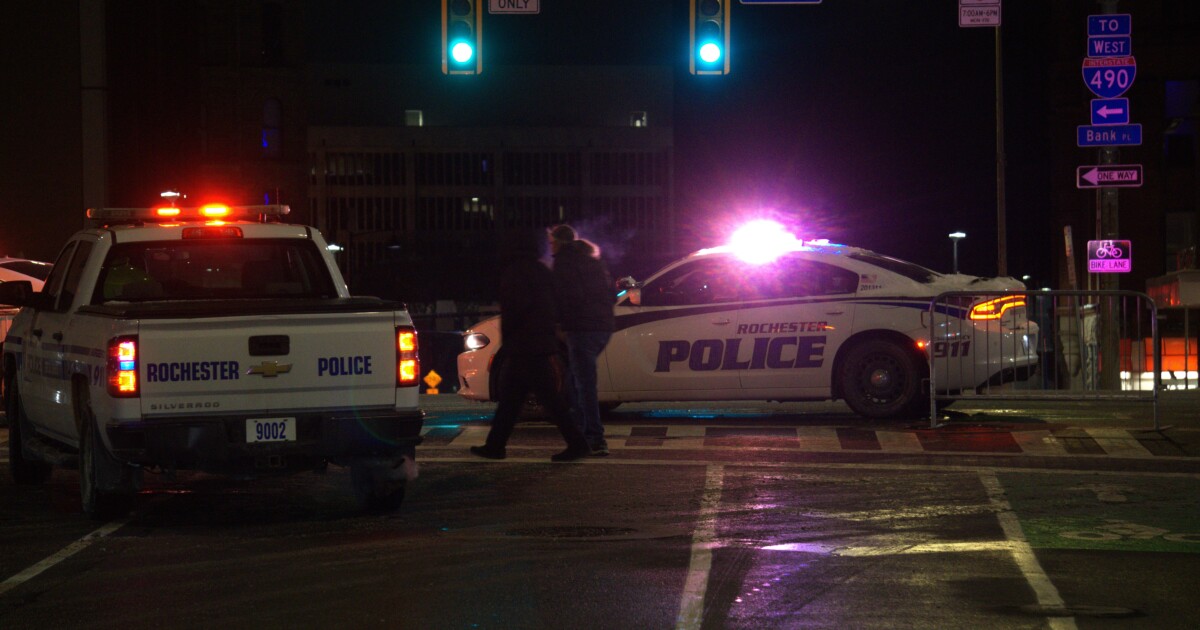
Rochester spent $15 million on police overtime last year, as officers logged significantly more hours to staff festivals, parades and other special ...Other references and insights: See here

No comments:
Post a Comment