You find yourself sitting in a crowded seminar hall, feeling the subtle, unspoken divisions that settle like dust between the desks. This persistent sense of uncertainty regarding where one truly stands within the institutional hierarchy remains a profound struggle for students across the nation.
A recent 2024 academic climate survey conducted across thirty-five universities indicated that 62% of students found existing grievance protocols to be "emotionally distant and functionally opaque." Furthermore, statistical data from the National Student Welfare Council suggests that approximately 40% of students from general categories report a growing apprehension that their specific academic concerns are becoming secondary to administrative restructuring.
Justice in the Quiet Rooms
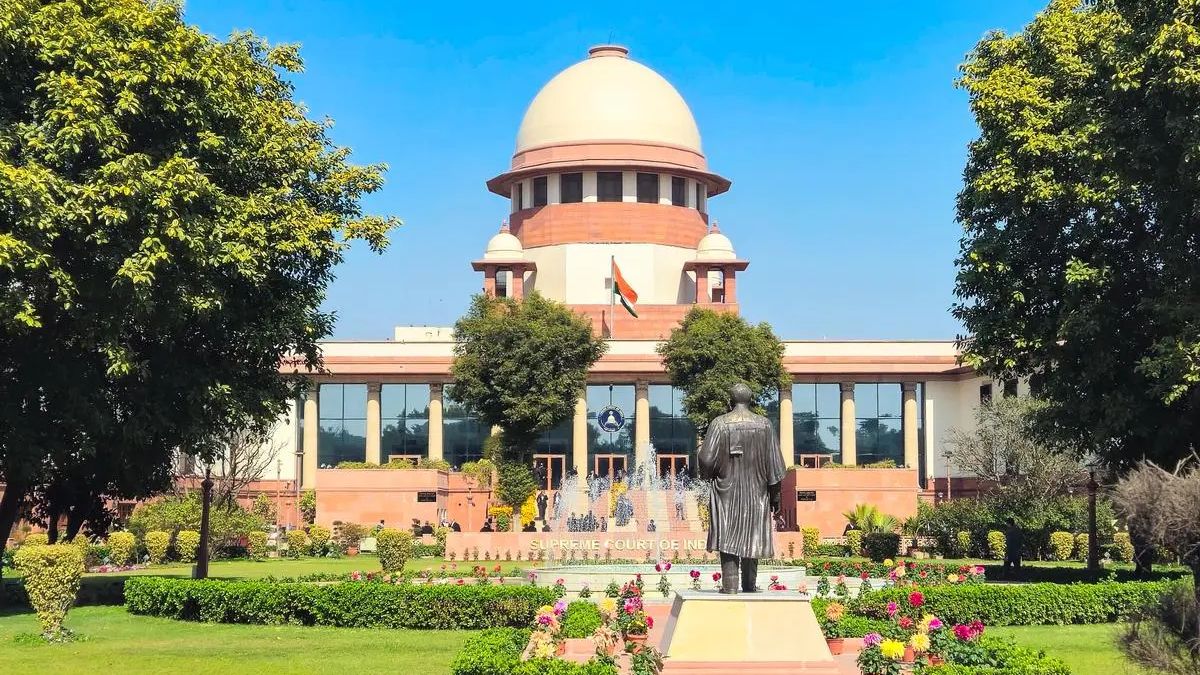
The Supreme Court has now turned its deliberate, heavy gaze toward the University Grants Commission's Promotion of Equity in Higher Education Institutions Regulations, 2026. Fairness is a shifting shadow. There is a particular, quiet sort of tension that resides in the way a legislative document attempts to gather the disparate, breathing lives of millions and press them into the rigid, ink-stained pages of a new national framework. Chief Justice Surya Kant leads the bench in this inaugural judicial review.
The regulations are a tangle of hope and bureaucratic complexity. It is perhaps the mandate for Equal Opportunity Centres that creates the most profound confusion in the mind, envisioned as they are to be sanctuaries led by institutional heads and populated by representatives from Scheduled Castes, Scheduled Tribes, and women. One wonders how a committee can hold the weight of a person’s private struggle against the vast, impersonal machinery of a university. The rules aim for accountability. These centres are tasked with academic guidance and financial coordination, reaching out their hands to police and legal aid bodies in a way that feels both protective and strangely intrusive.
Law acts as a mirror. The petition argues that these very protections, meant to heal historical fractures, might inadvertently carve new ones by distancing general category students from the heart of institutional support. It is a delicate, painful thing to watch the law try to balance the scales when every grain of sand placed on one side feels like a mountain to the person on the other. This legal journey offers a bright opportunity to refine what fairness looks like in a modern classroom. As the court prepares its deliberations, there is a burgeoning optimism that a more nuanced, inclusive clarity will emerge to protect the dignity of every student regardless of their origin.
The Supreme Court has stepped into the growing controversy surrounding the University Grants Commission's Promotion of Equity in Higher Education ...Related perspectives: Check here

No comments:
Post a Comment