The collective endeavor, a vibrant spark, has already gathered 250 generous spirits toward a challenging, yet achievable, $115,000 by September's end. A shared commitment, undeniably... But then, other currents flow beneath the surface of communal finance, currents that demand a different kind of introspection. Honolulu's public pension system, a foundational promise, finds itself navigating turbulent waters, primarily from a phenomenon known as "spiking."
The Swelling Tide of Spiking
This intricate web of escalating retirement benefits, primarily fueled by overtime compensation, has levied a significant quarter-billion-dollar toll on taxpayers over the past seven years.
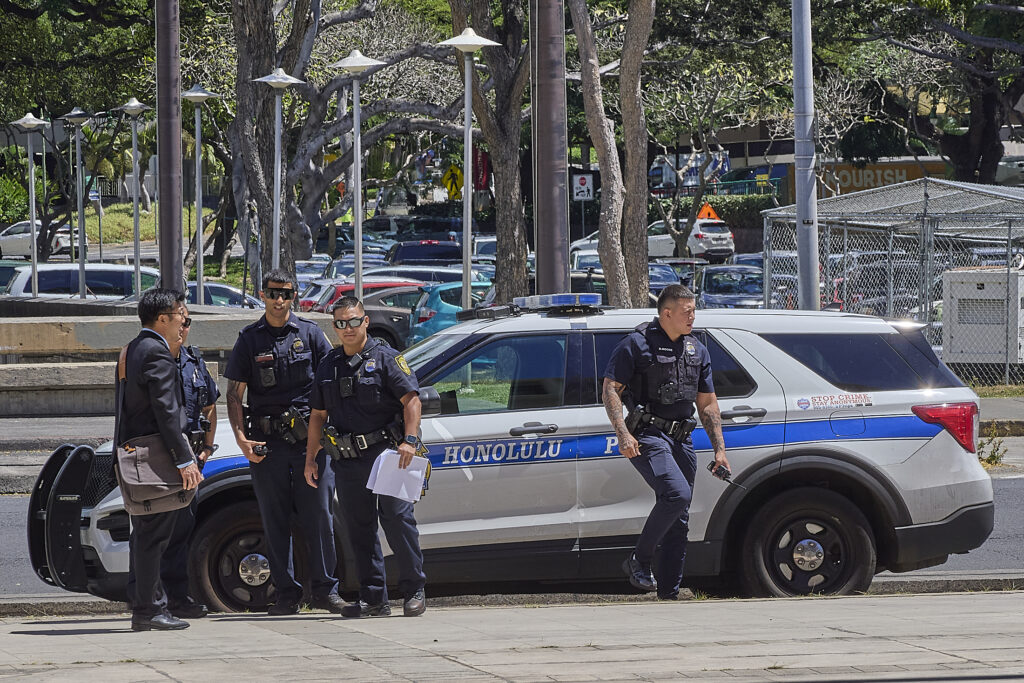
A sum... considerable. What makes this particularly poignant is the Honolulu Police Department's central role, accounting for a stark 60% of these spiking costs in that same period. The weight of this, a discernible pressure on the city's fiscal framework. It's not merely an abstract figure; it reverberates, impacting budgets, priorities. A system designed to secure futures, inadvertently creating complex present dilemmas.
• A Quarter-Billion Burden Seven years, countless hours, escalating costs.• HPD's Proportion A dominant 60% of the pension spiking, a number that commands attention.
• Post-Pandemic Peak Reaching an unprecedented $46 million in fiscal year 2022, a post-pandemic surge.
• Persistent Pressure $35 million last year, more than double pre-pandemic figures. Larger than entire county department annual budgets.
A stark comparison.
The Hawaiʻi Employee Retirement System's Executive Director, Thomas Williams, articulated it plainly, a whisper of concern in his voice to Civil Beat: "It's unfortunate, and it's improper." He spoke of responsibility, a collective guardianship of the fund's stability. Any exploitation, he clarified, directly harms those who remain, those who trust.
A fragile equilibrium.
The Overtime Conundrum
The HPD's reliance on overtime, a choice, a necessity, has drawn scrutiny. At a recent Police Commission meeting, the dynamics of this were laid bare. Scores of officers, dozens upon dozens, recorded extraordinary additional hours last year – some logging over 1,000, others even exceeding 2,000 extra hours.
Imagine the sheer dedication, the immense fatigue. These efforts, while immediate solutions to staffing needs perhaps, have a prolonged effect, setting the stage for generous retirement payments that will endure, a lifetime. It's a curious intersection of present labor and future entitlement.
The police union's perspective adds another layer to this multifaceted issue.
Officers, they conveyed to Civil Beat, are simply performing their duties. The ultimate decision on overtime usage, they argue, rests with management. A management decision. An interesting allocation of accountability in a system with such significant downstream effects.
A Peculiar Outcome
The scene at the Police Commission meeting offered a perplexing tableau.
Interim Chief Rade Vanic, standing before the commission, received more commendation than critique regarding the department's heavy reliance on overtime. This, despite the uncomfortable truth that the added pension costs are drawn directly from HPD's own budget. The numbers, the direct financial drain, somehow softened by a prevailing sentiment.
A disconnect? Or a deeper, more nuanced understanding of operational exigencies? The human elements, the complexity of departmental needs versus long-term fiscal health, weaving a challenging narrative. Such a delicate balance to strike.
The public pension system's woes have been a pressing concern for years, with many experts warning of an impending crisis. At its core, the issue revolves around the system's inability to generate sufficient revenue to cover the promised benefits to retirees. This imbalance is largely attributed to a combination of factors, including an aging population, inadequate funding, and unrealistic return on investment assumptions.
One of the primary challenges facing the public pension system is the strain caused by an increasing number of retirees drawing benefits, while a dwindling number of active workers contribute to the system.
This demographic shift has resulted in a significant burden on the system, which is struggling to keep pace with the growing demand for benefits.
The system's reliance on investment returns to generate revenue has proven to be a double-edged sword, as market fluctuations can have a devastating impact on the system's financial health.
To address these issues, policymakers and experts are exploring a range of solutions, from increasing contributions to implementing more conservative investment strategies.
However, any meaningful reform will require a delicate balancing act, as policymakers must navigate the competing interests of current and future retirees, while also ensuring the long-term sustainability of the system.
The information in this article was first published in "Honolulu Civil Beat".
Other references and insights: See hereThanks to 250 donors , we're off to a great start, but still have a ways to go toward our goal of $115,000 by September 30!• • • •

No comments:
Post a Comment