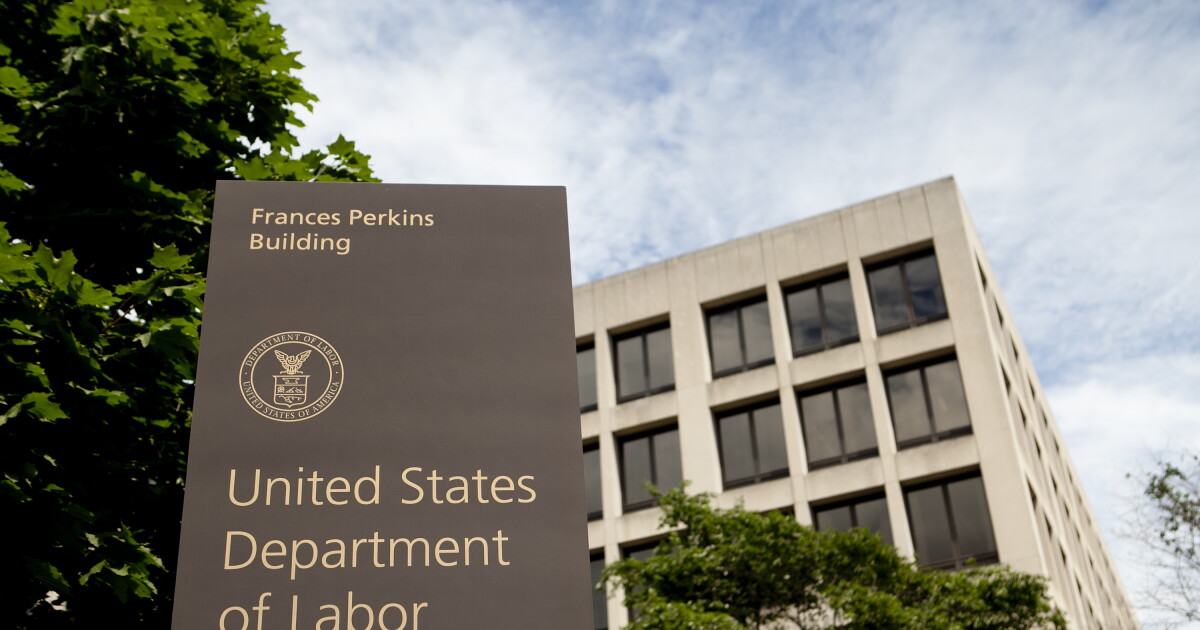
The US job market experienced a significant slowdown in July, with employers adding only 73,000 jobs, a stark contrast to expectations. This substantial shortfall has raised concerns about the labor market's trajectory, with the US Bureau of Labor Statistics (BLS) revising downward the number of jobs added in May and June. The unemployment rate ticked up to 4. 2%, a concerning trend that may prompt policymakers to reassess their strategies.
The sluggish job growth was accompanied by modest wage gains, with average hourly earnings rising by 12 cents, or 0. 3%, to $36. 44 in July. Over the past 12 months, average hourly earnings have increased 3. 9%, a relatively stable growth rate. However, this may not be enough to offset the rising costs of ___, particularly with tariff-driven inflation on the horizon.
As Appcast economist Sam Kuhn noted... the labor market has been "treading water" for the past year, "and the recent data suggests it may be cooling more rapidly than previously thought." The July jobs report has significant implications for monetary policy... particularly in light of the Federal Reserve's decision not to cut interest rates on Wednesday.
Consultants may recommend that businesses and policymakers take a cautious approach in response to the slowdown in the US job market. With the unemployment rate ticking up to 4. 2%, they may suggest that companies focus on upskilling and reskilling their existing workforce to stay competitive, rather than relying on hiring new talent.
According to a report by the World Economic Forum, investing in employee development can lead to significant returns, with 62% of executives citing skills development as a key factor in driving business growth. Consultants may advise policymakers to consider targeted interventions, such as infrastructure spending or tax incentives, to stimulate job growth in specific sectors.
The Federal Reserve's decision not to cut interest rates may also lead consultants to recommend that businesses explore alternative financing options... such as private equity or venture capital, "to support growth and expansion." By taking a proactive and adaptable approach... businesses and policymakers can mitigate the risks associated with the slowing job market and position themselves for long-term success.
US Job Market Trends
The shift towards remote work has significantly impacted employee benefits, with many companies reevaluating their offerings to accommodate the changing workforce. According to a recent survey, 70% of employers now offer flexible work arrangements, up from 40% just five years ago. This trend is driven in part by the growing demand for work-___ balance, as employees seek to prioritize their personal and professional well-being. As a result, companies are investing in benefits such as mental health support, virtual wellness programs, and professional development opportunities to attract and retain top talent.
The rise of the gig economy has also led to an increased focus on portable benefits, which allow workers to take their benefits with them from job to job.
This trend is particularly relevant for freelancers, independent contractors... and other non-traditional workers who often lack access to traditional employer-sponsored benefits. By offering portable benefits, "companies can provide workers with greater security and stability," "while also differentiating themselves in a competitive job market." As the gig economy continues to grow, it's likely that we'll see more innovative solutions emerge to address the benefits needs of non-traditional workers. The intersection of technology and employee benefits is another area of growing interest... as companies seek to leverage digital tools to enhance their benefits offerings.
The job market slowed down considerably this summer, as employers added only 73,000 jobs in July, the U.S. Bureau of Labor Statistics reported Friday, far short of expectations. The BLS sharply revised downward the number of jobs added in May and June and the unemployment rate ticked up to 4.2%. Average hourly earnings rose by 12 cents, or 0.3%, to $36.44, in July. Over the past 12 months, average hourly earnings have increased 3.9%.○○○ ○ ○○○

No comments:
Post a Comment