 Wanted Ϟ
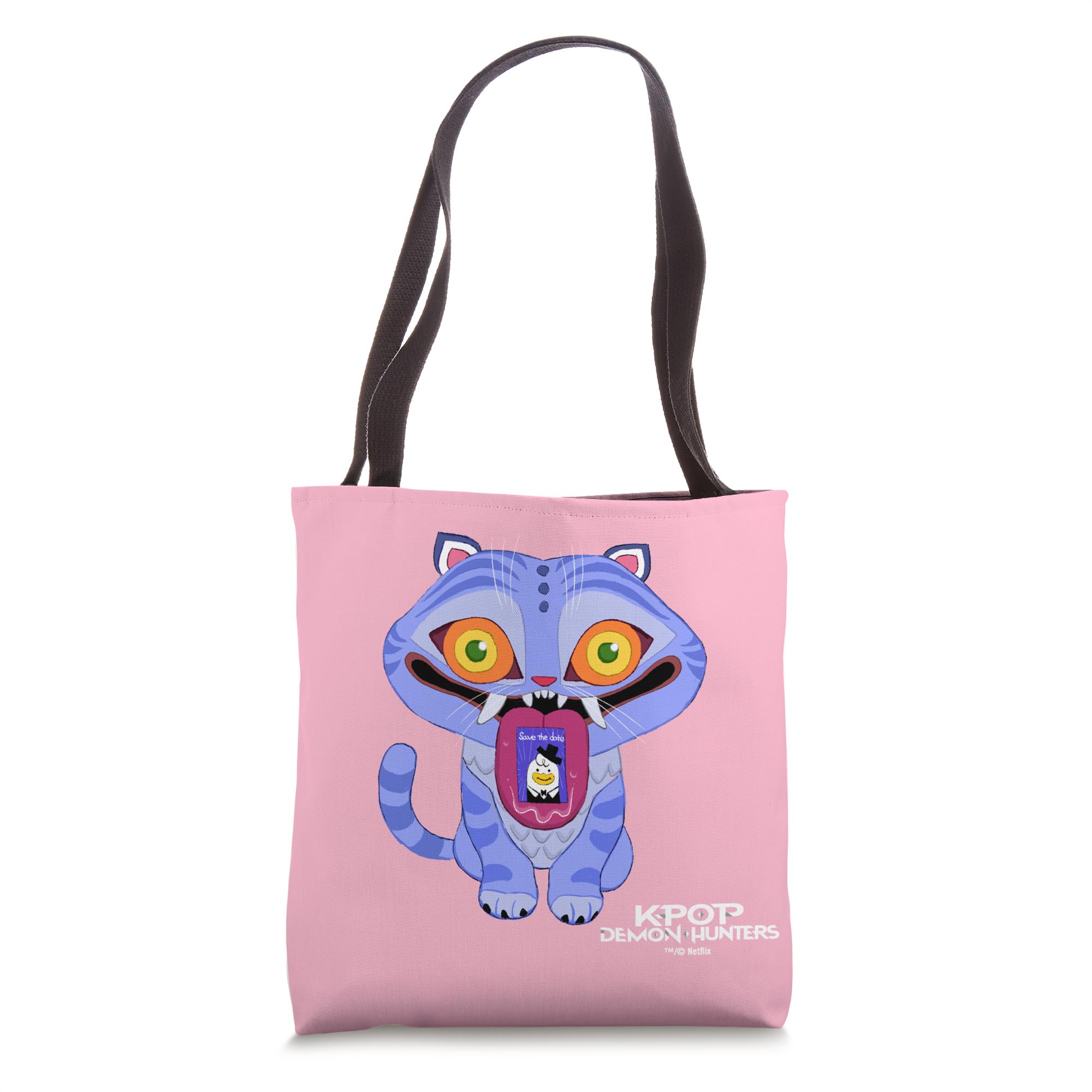
 Features an officially licensed design for authenticity. — KPop Demon Hunters Derpy Officially Licensed Tote Bag —
Visit this page.
Licensed merchandise. A glorious, capitalist fever dream? Or something more profound? Let's dive into this rabbit hole of, well, stuff. Sturdy totes, yes, but what about the very fabric of our being? Bear with me, this is going to get weird.
* Authenticity. A Siren's Call. We want to show our devotion, our connection. Officially licensed, the gold standard. Prevents the "Fake Merch Meltdown," so to speak. Remember the Great Bootleg Gundam Scandal of '98? Shudders.
* Social Media Mayhem. Fan communities now, thriving, gigantic. The perfect incubator for the "I NEED IT NOW!" mentality. Hashtags, unboxing videos, the relentless pursuit of "the thing."
* Economic Elasticity, or the Strange Math of Merch. Royalties cascading down like a chocolate fountain. Licensors swimming in cash. Retailers gleefully stacking shelves. But does this trickle down to the artists, the writers, the creators? Hmm. Complicated.
Advanced printing techniques, a marvel! Dye-sublimation and screen printing, churning out vibrant colours. A far cry from the faded band tees of yore. But where is the soul? Durable materials, built to last? Or just destined for a landfill in five years? Questions. So many questions.
What about the psychological aspect? Do we buy these items to truly celebrate something we love, or to fill a void? Is it about the thing itself, or about belonging?
* The tote bag. Not just a bag. A statement. A declaration. "I am a K-Pop Demon Hunter Derpy aficionado!" A subtle, yet powerful form of tribalism.
And then we have the review... One lone 4-star rating. What secrets lie within that single opinion? Is it a ringing endorsement? Or a quiet plea for improvement? The mysteries abound!
What is the difference between IP Licensing and Franchising?
IP licensing and franchising, two distinct yet intertwined strategies, present organizations with opportunities to expand their reach and generate revenue by leveraging their intellectual property (IP) or business models.
* IP licensing involves granting permission to another party to use a company's IP, such as patents, trademarks, copyrights, or trade secrets, in exchange for royalties or fees. This allows licensors to monetize their IP without directly engaging in the production or distribution of goods or services.
* Franchising, on the other hand, entails granting a franchisee the right to operate a business under the franchisor's established brand name, using their proven business model, and adhering to their operating procedures. In return, the franchisee pays an initial fee and ongoing royalties to the franchisor.
IP Licensing
IP licensing offers a flexible way to exploit IP assets across various industries and geographies. Companies can license their IP to manufacturers, distributors, or service providers, enabling them to expand into new markets, diversify revenue streams, or focus on their core competencies.
• Trademark Licensing Licensing a trademark allows another company to use the brand name or logo on their products or services, enhancing brand recognition and market presence. Example. Disney.• Patent Licensing Granting permission to use a patented technology enables licensees to develop and market innovative products or processes.
• Copyright Licensing Licensing copyrights allows others to reproduce, distribute, or adapt copyrighted works, such as music, movies, or software. Example: Spotify.
Franchising
Franchising provides a structured framework for expanding a business by replicating its established business model and brand identity. Franchisees benefit from the franchisor's proven systems, training, and marketing support, while franchisors expand their brand footprint without significant capital investment.
• Business Format Franchising Franchisees operate a business using the franchisor's complete system, including branding, operations, marketing, and training. Examples: McDonald's or 7-Eleven.• Product Franchising Franchisees distribute the franchisor's products or services, often under the franchisor's brand name. Example: Coca-Cola bottling companies.
Key Differences
While both IP licensing and franchising involve leveraging IP assets, they differ in several key aspects:
• Scope IP licensing focuses on granting rights to use specific IP, while franchising encompasses the entire business model.• Control Licensors have limited control over how licensees use their IP, while franchisors maintain significant control over franchisees' operations to ensure brand consistency.
• Investment IP licensing typically requires less capital investment than franchising, as licensors do not need to establish and operate physical locations.
• Risk Licensing carries lower risk for licensors, as they are not directly involved in day-to-day operations, while franchising involves higher risk for both franchisors and franchisees due to the shared responsibility for business success.
Choosing between IP licensing and franchising depends on various factors, including the nature of the IP, the company's strategic goals, and the level of control desired over the use of its assets.
Get It On Amazon ::: (brought to you by Kiitn)
▷ Visit this page.
Derpy Officially Licensed Tote Bag 4.0 4.0 out of 5 stars (1) New on Amazon Price, $24.97 $ 24 . 97 FREE delivery Wed, Jul 23 on $35 of items shipped by Amazon Add to cart
#Ad Our articles include affiliate links: If you buy something through a link, we may earn a commission 💕
[ Buying options ]

No comments:
Post a Comment